Make the premises fit for purpose again
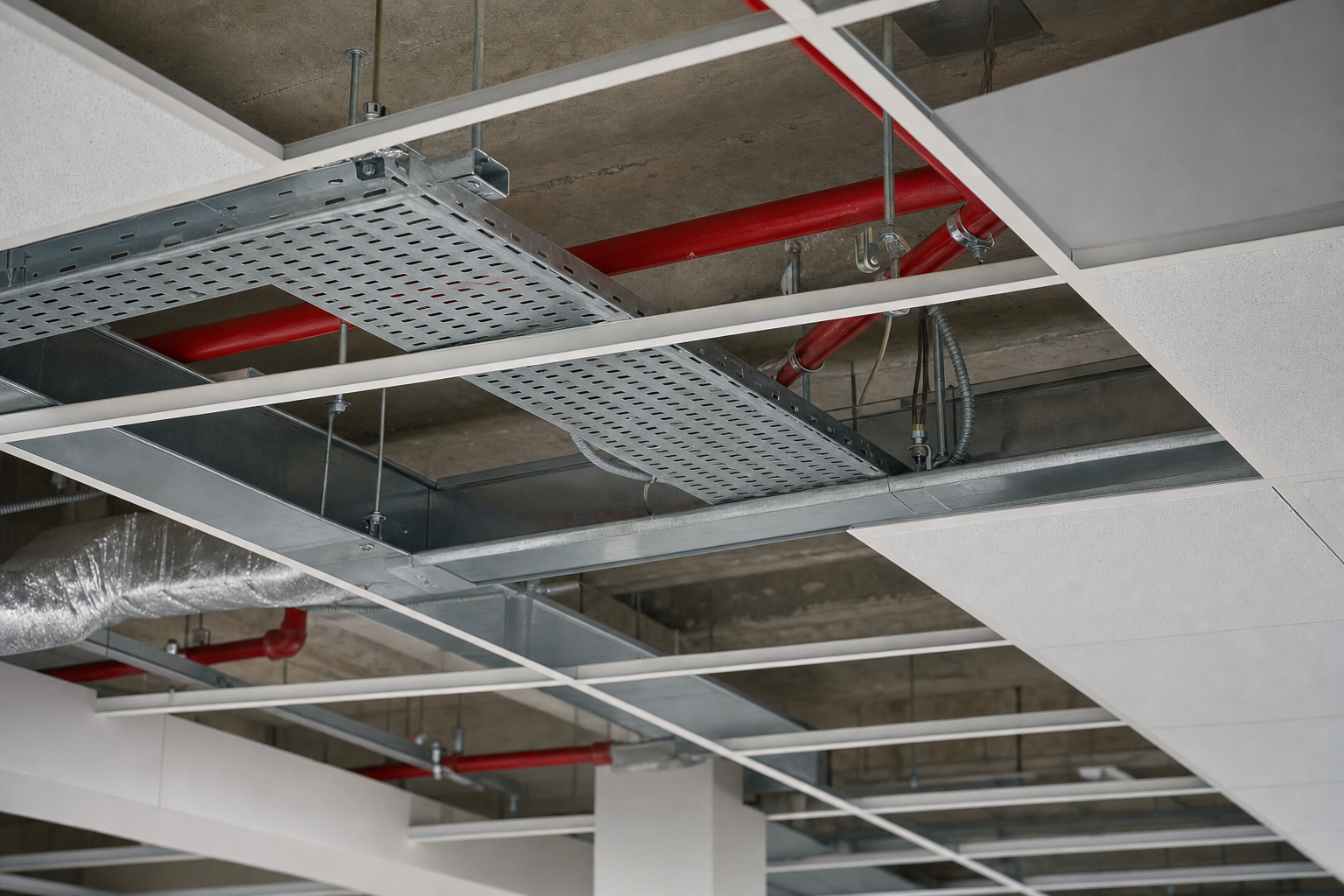
Strip-out to finish
We manage the sequence from removal work through to final fitted and decorated space.
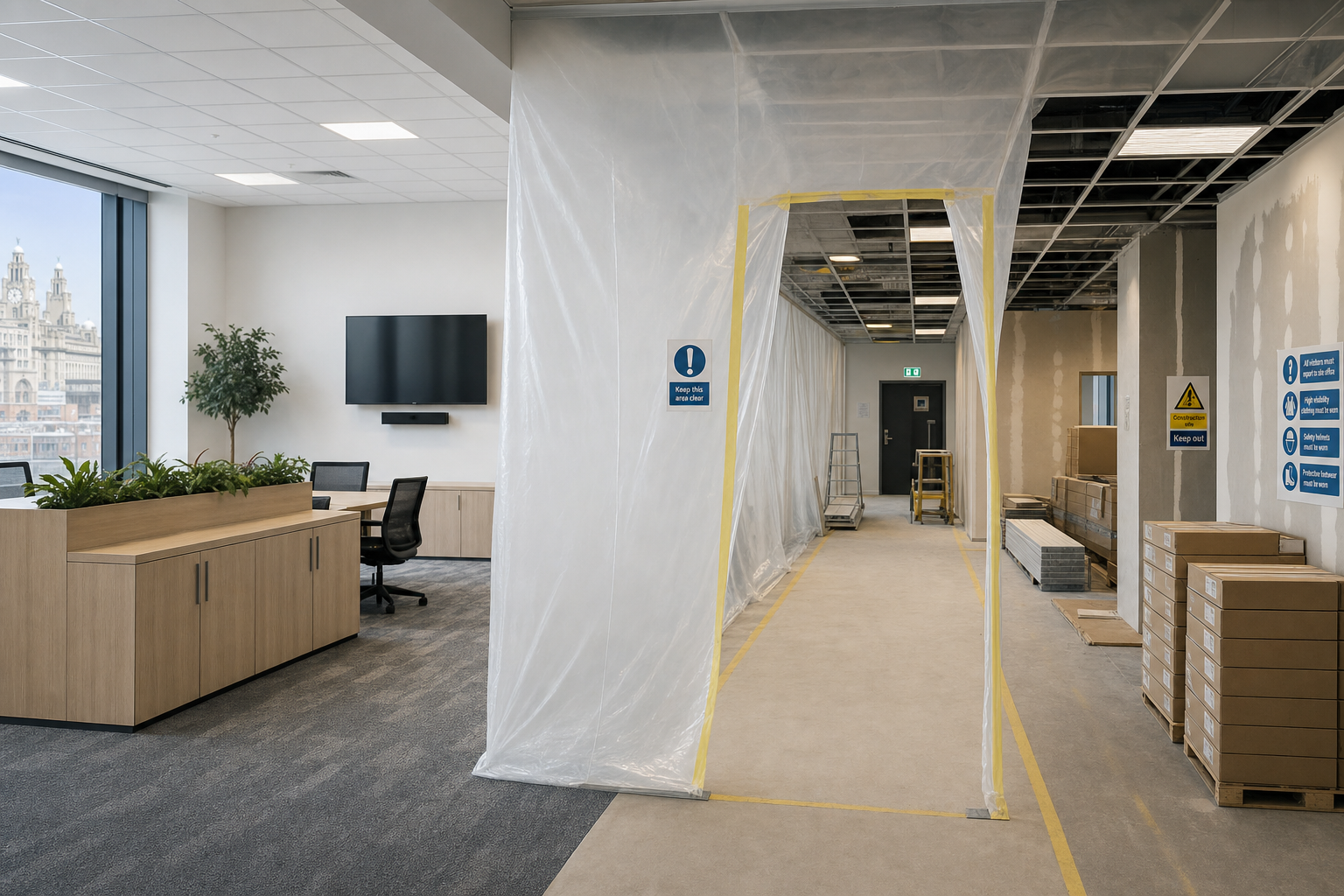
Live site phasing
Operational areas, access controls and noisy work are planned into the programme.
Use-led specification
The intended purpose of the premises helps shape the finish and layout choices.
Upgrade the premises without losing sight of how it is used
Commercial refurbishment is about improving the condition, layout and suitability of a building for business use. That can include strip-out, new partitions, ceilings, flooring, decoration, washroom work, service alterations and the final fit-out that makes the premises ready to use again. Different sites need different approaches. An office, depot or workspace each has its own pressures around access, dust, noise and the standard of finish required. In Liverpool, active commercial sites often need improvements without the luxury of a completely empty building. With Cannon Street Builders, we plan the work around the premises and the way it functions, not just the drawing set.
Phased to suit active workplaces and handover needs
Good refurbishment work respects the live site around it. We help plan deliveries, controlled entry, working zones, noisy tasks and separation from active areas so the job can move while the business keeps running where possible. Landlord requirements, the future use of the premises and the finish level expected all affect the specification and build sequence. Choosing Cannon Street Builders means those demands are considered before the strip-out begins. With Cannon Street Builders, the job is carried from clearance through fit-out to completion with a practical eye on access, operations and the standard the space needs to reach.
Frequently asked questions
Can commercial refurbishment work be phased around business use?
Yes, and in many cases it needs to be. Working areas, delivery routes, secure zones and noisy tasks all have to be considered before site work starts. We plan the refurbishment in sensible phases where possible so the premises can keep functioning without turning every day into an obstacle course.
What information helps define a refurbishment project clearly?
Plans, current layout details, photos, access notes, landlord requirements and a clear idea of the finished use all help. The intended standard of finish matters too. That information allows the strip-out, service changes, partitions and final fit-out to be sequenced properly rather than improvised on site.
How is refurbishment different from commercial maintenance?
Maintenance usually deals with defects, repairs and ongoing upkeep. Refurbishment goes further, often changing the layout, finishes, facilities and the overall suitability of the space for business use. If the job is about improving how the premises works, rather than simply keeping it going, refurbishment is usually the better fit.